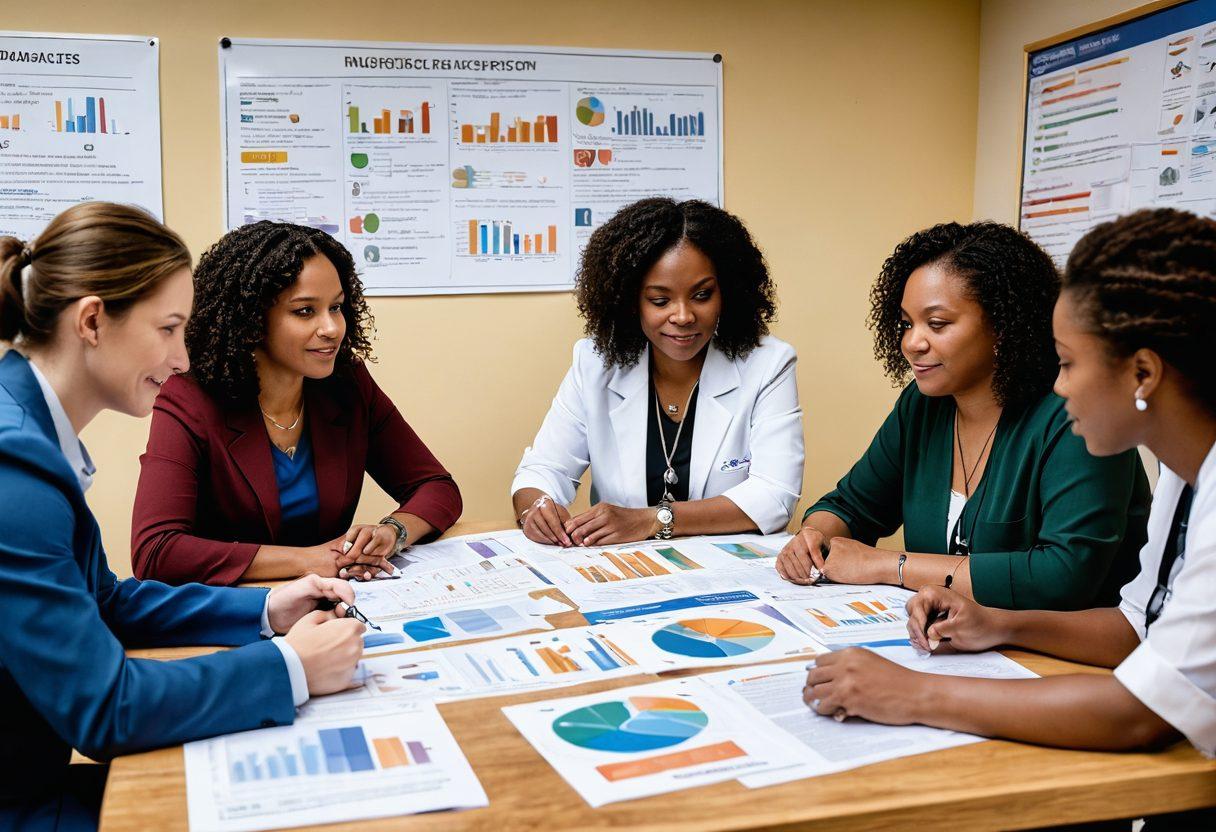
Empowering Wellness: Your Guide to Cancer Awareness and Treatment Options
Cancer is one of the most daunting words in the English language, often accompanied by a wave of fear and uncertainty. But in truth, understanding the various types of cancer and the innovative treatment options available can empower us to combat this disease. From benign neoplasms to malignant tumors like carcinoma, knowledge truly is power. What if you had all the information at your fingertips to navigate the complex oncology landscape and arm yourself with the right tools for your health journey?
Let's delve deeper into the world of cancer types and treatments. Did you know that there are over 100 types of cancer — each requiring its unique set of treatment strategies? Whether it’s breast carcinoma, lung cancer, or the lesser-known neoplasms, each condition falls under a spectrum defined by its own risk factors, symptoms, and stages of cancer progression. Recognizing the signs early can be the key to better outcomes, reinforcing the importance of public awareness, health education, and preventive care.
In the arena of cancer treatment, we're no longer just relying on traditional chemotherapy and radiation therapy. With the advancement of cancer research, innovative options like immunotherapy have transformed the way we treat malignant tumors. The question arises, how do these new treatments work? By harnessing the power of your own immune system, immunotherapy can provide a newer approach to battling cancer. It’s crucial for patients to discuss these exciting options with their healthcare providers, exploring all collaborative paths towards wellness.
Equally important is the emotional side of facing cancer. Survivorship isn't solely about defeating tumors; it's also about nurturing mental health throughout treatment and recovery. Support groups serve as a lifeline for many, fostering a sense of community and understanding among those walking similar paths. The journey may seem overwhelming, but the beauty of advocacy means that no one has to walk through this experience alone. What resources are available in your community to help bolster your mental and emotional well-being?
Lastly, let’s talk about nutritional support, which is often overlooked in the cancer narrative. Eating well can significantly impact your overall health and recovery. Why not consult with a nutritionist who specializes in oncology? They can guide you through claiming back a sense of control over your wellness while providing your body with the fuel it needs. This holistic health approach embodies the future of cancer care, proving that with the right knowledge and support, we can tackle cancer head-on, emerging stronger and more informed than ever.
Navigating the Journey: Essential Tips for Patient Advocacy and Community Support
Navigating the journey through cancer can feel like an overwhelming endeavor, but it’s also a time for empowerment and connection. Each year, thousands embark on a path fraught with uncertainty, facing diagnoses of malignant tumors, carcinomas, and various neoplasms. While the words 'cancer' and 'treatment options' might ignite fear, they also spark a compelling narrative of hope, advocacy, and community support. This blog is not merely a guide; it's a lifeline for patients seeking to reclaim their health and wellness through informed choices and robust support systems.
When diagnosed with cancer, consider yourself a protagonist in your own story. Advocacy—a powerful tool in the healthcare arena—invites you to take charge of your treatment options. Educating yourself about the stages of cancer, understanding symptoms, and exploring both conventional methods like chemotherapy and radiation therapy, and innovative approaches such as immunotherapy, allows you to engage actively with your healthcare team. Remember, as the famous quote states, ‘Knowledge is power.’ By asking questions and seeking clarifications, you can pave the way for informed decisions that prioritize your wellness.
Patient support is not just about what happens in clinical settings; it's also about building a strong network outside the doctor's office. Community resources, such as support groups and health education workshops, play a vital role in this network. Connecting with others facing similar challenges fosters resilience and inspires hope. Have you considered joining a local support group? Imagine sharing your journey with those who truly understand the intricacies of cancer treatment, from clinical trials to nutritional support. The camaraderie found in these spaces can bolster mental health and enrich the healing process.
Furthermore, community support extends beyond individual experiences; it encompasses public awareness initiatives aimed at promoting preventive care and screening. Knowing risk factors for various types of cancer equips individuals with knowledge—an advantage we cannot overlook. As health researchers and advocates tirelessly work to raise awareness, they illuminate pathways to wellness that resonate with society as a whole. How can you become a voice in this advocacy? Start a conversation about cancer awareness in your own community, raising consciousness about the symptoms, prevention, and screening procedures that may save lives.
As you navigate your personal journey, take steps towards holistic health. Incorporating practices that enhance both physical and mental well-being serves as a complement to primary treatment options. From nutritional support to engaging in mild exercise, every effort counts. Embrace the idea that survivorship doesn’t merely denote the end of treatment; it’s an ongoing commitment to a healthy lifestyle, underscored by continuous learning and advocacy. Imagine a world where every person affected by cancer feels empowered and supported—this vision starts with each of us making strides towards understanding, advocacy, and compassion.
From Awareness to Action: A Holistic Approach to Preventive Care and Wellness in Oncology
Cancer is a word that can evoke fear, uncertainty, and confusion, but it also has the power to inspire action and advocacy. When we think about oncology, we often focus on the disease itself—malignant tumors, carcinomas, and the myriad of complex symptoms that accompany them—but cancer awareness is also about community, education, and empowerment. It’s not just about treating cancer; it's about understanding it, preventing it, and advocating for one another. What if we reimagined our approach to wellness in oncology as a holistic journey, transforming knowledge into action?
At the heart of this journey lies public awareness. The first step toward effective preventive care is understanding the risk factors associated with various forms of cancer. Each type, whether it be one of the many neoplasms or a specific carcinoma, comes with its unique profile of warning signs and stages. But did you know that knowledge is power? According to recent studies, those who are educated about the symptoms of their specific cancers are more likely to catch them early, leading to better treatment options and outcomes. Think about it: what if one well-informed conversation about symptoms could save a life?
The realm of healthcare has transformed remarkably with the advent of innovative treatment options, such as immunotherapy and targeted therapies, alongside established methods like chemotherapy and radiation therapy. However, as important as these treatments are, we mustn't overlook the crucial components of palliative care and survivorship. How often do we hear about the emotional and mental health needs of patients during and after their cancer journey? Through community resources, such as support groups and advocacy efforts, individuals are not just treated for their physical ailments; they are nurtured holistically, allowing them to thrive rather than merely survive.
Incorporating wellness and nutritional support as part of cancer care speaks volumes about how we approach treatment. Society often views diet as a luxury, but in reality, it plays an essential role in our health, especially in oncology. The ingredients we choose to nurture our bodies can bolster our immune systems and support recovery, potentially influencing the way we respond to treatments. Advocates for health education emphasize simple yet impactful changes that can enrich our lives—what if we viewed our plates as our first line of defense against cancer?
Engagement with cancer research and clinical trials further emphasizes the importance of taking action. The advances in technology and knowledge provide hope and new avenues for treatment. It is essential to share information about ongoing research that might help patients access cutting-edge therapies. Moreover, understanding the unique challenges that those diagnosed with cancer face can promote a culture of compassion and empowerment. Each story of survival and resilience fuels the advocacy for more awareness. Are we doing enough to support those around us? Our collective voice can drive change, ensuring that wellness in oncology becomes not just a goal but a shared reality.